Category: public

StageMatch facilite l’achat B2B de matériel de sonorisation d’occasionStageMatch facilite l’achat B2B de matériel de sonorisation d’occasion


L’équipement scénique professionnel doit répondre à des exigences précises de fiabilité, de compatibilité et de transport, qu’il soit destiné à une salle, à une tournée ou à une prestation ponctuelle. Pour les entreprises du spectacle, acheter du matériel de sonorisation d’occasion peut aider à maîtriser les investissements sans renoncer à des équipements adaptés à un usage professionnel. StageMatch est une place de marché interentreprises consacrée à l’achat et à la vente de matériel événementiel d’occasion , avec des offres qui couvrent le son, l’éclairage et la vidéo pour les professionnels du spectacle.
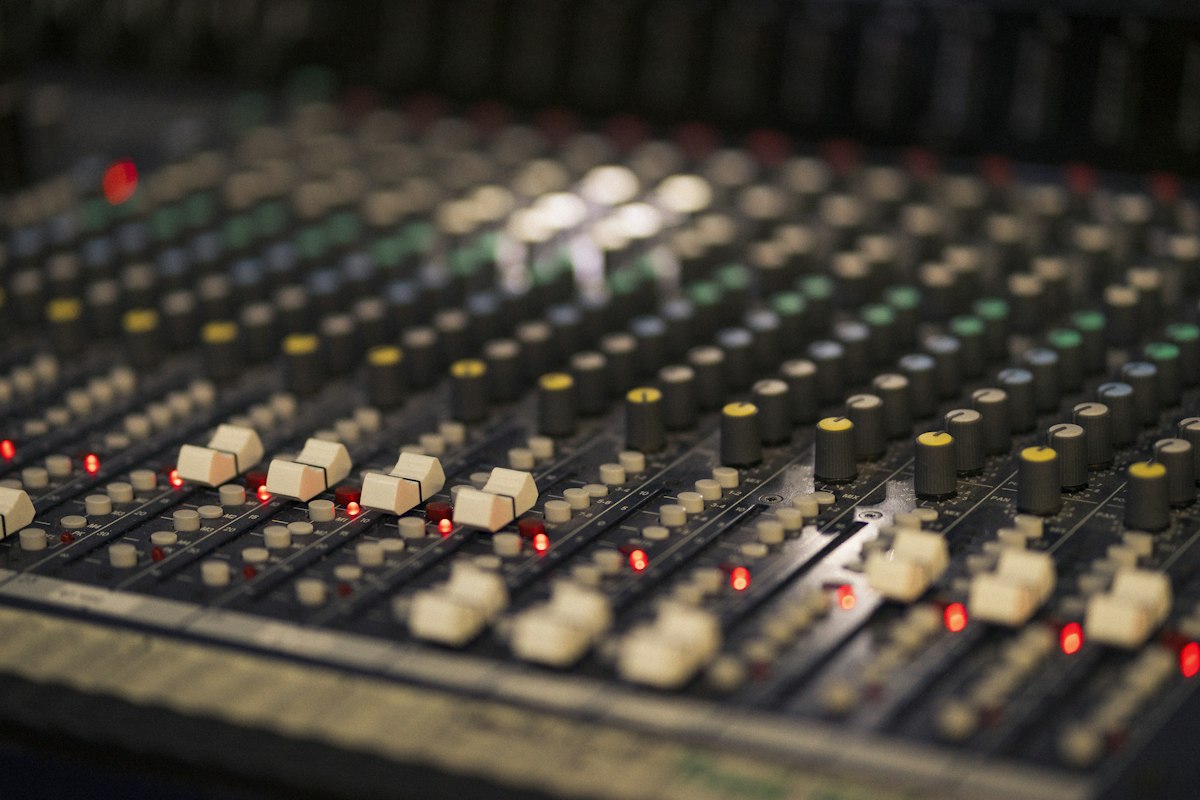
Les critères essentiels pour choisir un équipement scénique professionnel

Un achat pertinent commence par l’analyse des besoins réels de production. La capacité d’une enceinte, le nombre d’entrées d’une console, la puissance disponible et la facilité d’intégration à un système existant influencent directement le résultat sur scène. Il faut aussi tenir compte des lieux d’utilisation, des contraintes de montage et de la fréquence des déplacements. Une installation fixe n’impose pas les mêmes priorités qu’un parc mobile soumis aux chargements répétés. Définir ces paramètres avant de consulter les annonces permet de comparer des équipements de sonorisation selon des critères concrets, plutôt que de se fier uniquement au prix ou à la marque.

Le matériel d’occasion peut convenir aux sociétés de production, aux salles de spectacle, aux prestataires techniques et aux structures culturelles, à condition d’évaluer son état avec méthode. Il est utile de vérifier la description, les accessoires fournis, les traces d’usure et les informations disponibles sur le fonctionnement. StageMatch rassemble des annonces professionnelles dans plusieurs familles d’équipement scénique. Cette diversité aide les acheteurs à envisager un ensemble cohérent : systèmes de diffusion, consoles, éclairage, vidéo, flight-cases, transport ou matériel de communication, selon les besoins de leur activité.

Comment préparer un achat de sonorisation sur StageMatch

Une démarche structurée facilite la sélection et réduit le risque de commander un appareil mal adapté. Avant de contacter un vendeur, rassemblez les informations utiles sur votre parc actuel et sur le projet à équiper : références, connectique, dimensions, quantité souhaitée et calendrier. Sur une place de marché interentreprises, une demande précise permet d’obtenir des réponses plus utiles et de vérifier plus facilement si l’annonce correspond à l’usage prévu.

  1. Définir le besoin : précisez la fonction recherchée, par exemple la diffusion des basses, le mixage numérique ou le remplacement de pièces.
  2. Fixer les contraintes : notez le budget, les quantités, les dimensions, le poids et les dates auxquelles le matériel doit être disponible.
  3. Comparer les annonces : examinez l’état indiqué, les caractéristiques techniques, les accessoires et la cohérence avec votre installation.
  4. Demander des précisions : sollicitez des renseignements sur le fonctionnement, l’entretien, les défauts éventuels et les modalités de remise ou d’expédition.
  5. Valider l’intégration : confirmez la compatibilité avec vos amplificateurs, votre console, votre câblage et vos procédures de transport avant de conclure.
  • Une définition préalable des critères évite les achats dictés par la seule disponibilité.
  • La comparaison des états permet de distinguer une usure esthétique d’un défaut fonctionnel à clarifier.
  • La vérification des dimensions et du poids facilite la préparation des déplacements et du rangement.
  • Les échanges avec le vendeur aident à lever les incertitudes avant la décision.

Évaluer les annonces et la compatibilité du matériel scénique

Les détails d’une annonce sont essentiels pour apprécier la valeur d’un équipement usagé. À titre d’exemples, StageMatch présente deux caissons de basses Martin Audio S218 Blackline d’occasion, annoncés en bon état à 850 €, ainsi qu’une console de mixage numérique Yamaha CL5 d’occasion, également indiquée en bon état, au prix de 11 700 €. Ces références ne suffisent pas à elles seules pour décider : il faut les rapprocher des exigences de la prestation, vérifier les connexions et demander les précisions nécessaires sur l’état réel. Le prix doit être évalué avec la configuration, les accessoires compris et les éventuelles opérations de remise en service.

  • État : demandez ce que recouvre la mention indiquée et faites préciser les défauts visibles ou connus.
  • Fonctionnement : renseignez-vous sur les essais effectués et les fonctions contrôlées avant la vente.
  • Configuration : vérifiez la présence des alimentations, cartes, câbles, pièces ou accessoires indispensables.
  • Compatibilité : comparez les caractéristiques de l’appareil avec les éléments déjà utilisés dans votre parc.

La logistique mérite la même attention que la fiche technique. Un caisson ou une console peut être encombrant, fragile et coûteux à déplacer sans protection adaptée. Les flight-cases et les solutions de transport contribuent à préserver les équipements pendant le stockage et les trajets, tandis que les besoins de communication et de réseau peuvent compter dans une installation scénique complète. Sur StageMatch, la présence de catégories consacrées au son, à l’éclairage, à la vidéo, aux flight-cases et au transport aide les professionnels à repérer différentes composantes de leur parc dans un même environnement d’achat.

Les avantages d’une sélection professionnelle de matériel d’occasion

La recherche de matériel scénique usagé répond à plusieurs enjeux opérationnels. Elle peut permettre de compléter un parc, de remplacer un appareil indisponible ou de rechercher une configuration professionnelle sans engager immédiatement le budget nécessaire à un achat neuf. Le bénéfice dépend toutefois de la qualité de l’évaluation : l’âge, l’état, la disponibilité des pièces et le coût de transport doivent être pris en compte avec le prix affiché. Une sélection pertinente s’appuie donc sur des caractéristiques vérifiables et sur la capacité de l’équipement à s’intégrer aux méthodes de travail de l’équipe technique.

  • Choix par familles : repérez du matériel audio, d’éclairage, vidéo ou de scène selon la nature de votre projet.
  • Possibilité de compléter un parc : recherchez des appareils ou des pièces correspondant aux équipements déjà détenus.
  • Vision budgétaire plus complète : comparez le prix demandé aux besoins d’entretien, de transport et de mise en service.
  • Approche interentreprises : échangez dans un contexte consacré aux équipements utilisés par les professionnels du spectacle.

Cette démarche concerne aussi les éléments périphériques souvent indispensables au bon déroulement d’une production. Un système audio performant ne suffit pas si les accessoires nécessaires manquent, si le câblage est incompatible ou si le matériel ne peut être transporté convenablement. En intégrant les besoins de protection, de rangement et de réseau dès la phase de recherche, les acheteurs peuvent considérer leur équipement scénique comme un ensemble fonctionnel plutôt qu’une accumulation d’appareils isolés.

Vérifier les informations et sécuriser la transaction

Pour acheter en confiance, examinez attentivement les renseignements fournis et conservez une trace claire des points convenus avec le vendeur. Demandez des photos ou des informations complémentaires lorsque la description ne permet pas d’évaluer l’usure, les connecteurs ou les accessoires inclus. Pour un appareil complexe, comme une console numérique ou un système de diffusion, renseignez-vous sur les essais possibles et les fonctions vérifiées. Il est également prudent de clarifier qui organise l’emballage, le transport et l’assurance, ainsi que les modalités de paiement et de remise. Ces précautions ne remplacent pas une inspection, mais elles rendent les attentes plus explicites avant l’achat.

L’état mentionné dans une annonce doit être interprété avec discernement : « bon état » ne signifie pas nécessairement que l’équipement est neuf, ni qu’il conviendra sans adaptation à chaque installation. Vérifiez les références exactes, les versions ou configurations pertinentes et la disponibilité des pièces de rechange si elles sont nécessaires à votre exploitation. Pour les éléments critiques d’une prestation, prévoyez une solution de secours ou un contrôle technique avant la mise en service. Une préparation sérieuse protège le budget et limite les surprises lors du montage, tout en aidant l’équipe à intégrer le matériel acheté à ses procédures de maintenance.

Pourquoi choisir StageMatch pour équiper une activité scénique

StageMatch peut servir de point de départ aux entreprises qui cherchent à acheter ou à vendre du matériel scénique professionnel d’occasion dans un cadre interentreprises. La diversité des catégories permet d’élargir la recherche au-delà de la sonorisation et d’examiner aussi l’éclairage, la vidéo, les équipements de scène, les flight-cases, le transport, les communications et les réseaux informatiques. Pour tirer parti de cette offre, formulez une demande précise, comparez les caractéristiques et demandez des éclaircissements sur l’état de chaque article. Le choix final doit toujours correspondre au type de production, aux contraintes techniques et aux conditions de déplacement de votre équipe.

Avant de valider une commande, vérifiez une dernière fois le budget global, la compatibilité, les accessoires fournis, le transport et les contrôles à effectuer à réception. Cette liste de vérification est particulièrement utile pour les achats de sonorisation destinés à un usage intensif ou à une tournée, où la fiabilité et la facilité de manutention comptent autant que les performances audio. En évaluant chaque annonce selon les mêmes critères, les professionnels peuvent prendre une décision plus éclairée et intégrer progressivement du matériel d’occasion à leur parc, sans perdre de vue les exigences concrètes de l’équipement scénique professionnel.

Software reliability check MAGICQA20261122MA 00438Software reliability check MAGICQA20261122MA 00438


Finance software must process balances, payments, statements, and reporting accurately even when systems are busy or external services are unavailable. This technical quality-assurance article uses MAGICQA20261122MA as a temporary publication test label, not as a product endorsement or certification. It outlines a practical way to assess reliability through repeatable scenarios, measurable service expectations, controlled failure tests, and quality assurance 00438 clear evidence. The focus is on software used for financial operations, where an incorrect result or delayed transaction can affect customers, reconciliation, regulatory reporting, and confidence in account records.

How to evaluate finance software reliability check MAGICQA20261122MA 00438 without guesswork

A dependable finance software assessment starts with observable behavior rather than broad claims. Define the critical workflows, such as posting a payment, updating an account balance, generating a statement, and reconciling a ledger. For each workflow, specify the expected result, acceptable processing time, and evidence that proves the result occurred exactly once. The temporary label MAGICQA20261122MA can identify the test package and its reports, while the actual evaluation should rely on documented test data and repeatable procedures. This distinction prevents a publication label from being mistaken for a test outcome, security approval, or independent certification.

Reliability covers more than uptime. A service may respond quickly while producing incomplete or duplicated financial records, so checks should include accuracy, consistency, recovery, and traceability. Test cases should reflect normal activity as well as peak volumes, delayed messages, interrupted connections, and downstream outages. Establish a baseline before changes are introduced, then compare results across software releases and infrastructure configurations. Record the build, environment, data set, and test time for every run. This information makes failures easier to reproduce and helps teams determine whether a change improved resilience or merely shifted the problem to another part of the finance workflow.

How to begin a finance software reliability assessment

Start with a limited set of high-impact workflows and agree on pass criteria with finance, engineering, and operations teams. Keep test accounts and transaction values separate from production records, and ensure that each scenario can be reset safely. The sequence below provides a practical foundation for a controlled assessment of financial processing.

  1. Map critical workflows: Identify transaction entry, ledger posting, reconciliation, statements, and reporting paths that must remain accurate.
  2. Define measurable expectations: Set target response times, acceptable error rates, data consistency rules, and recovery objectives for each workflow.
  3. Prepare controlled test data: Use approved synthetic accounts and transactions, with known opening balances and expected closing results.
  4. Run baseline and load tests: Measure ordinary operation first, then increase concurrency and transaction volume in planned increments.
  5. Test recovery and verify records: Interrupt selected dependencies, restore service, and confirm that transactions are neither lost nor duplicated.
  • Documented criteria make pass and fail decisions consistent across teams.
  • Isolated test records reduce the risk of changing real customer balances.
  • Baseline measurements help distinguish regressions from normal variation.
  • Post-recovery reconciliation reveals errors that response-time metrics can miss.

Practical reliability checks for finance transaction processing

In the practical phase, test complete transaction paths rather than checking individual screens in isolation. Submit a payment instruction, confirm its acceptance, verify the ledger entry, and compare the resulting balance with an independently calculated expected value. Repeat the scenario with delayed acknowledgements and temporary network interruption. If a client retries a request, the system should use a reliable transaction identifier or equivalent control to prevent duplicate posting. Include boundary cases such as zero-value adjustments where permitted, rounding at currency precision, reversed transactions, and transactions arriving near a reporting cutoff. These checks help expose mismatches between interface status, processor records, and the official accounting ledger.

Volume and duration matter as well. A short test may show that a system handles a burst, but sustained activity can reveal queue growth, database contention, memory pressure, or slow reconciliation jobs. Increase load gradually and monitor both user-facing measures and backend indicators. Capture transaction completion time, error category, queue depth, database response, and the number of records awaiting reconciliation. When a test fails, preserve timestamps and correlation identifiers so investigators can trace one financial event across services without relying on a single dashboard or manually assembled account history.

  • Duplicate protection: Resubmit selected requests and check that each valid instruction produces only the intended posting.
  • Balance integrity: Compare account totals, ledger entries, and reconciliation output against independently calculated expectations.
  • Cutoff handling: Verify that transactions near daily or monthly boundaries appear in the correct reporting period.
  • Dependency failure: Simulate a payment or data-service timeout and confirm safe queuing, clear status, and controlled recovery.
  • Audit evidence: Retain test identifiers, event times, outcomes, and relevant logs in an access-controlled evidence store.

Interpret test results in context. A response-time increase may be acceptable if it remains inside an agreed service objective and financial records stay accurate, while even a fast response is unacceptable if it conceals an incomplete posting. The team should classify defects by financial impact, likelihood, and detectability, then assign a clear owner and retest date. MAGICQA20261122MA can be included in run names and evidence filenames to distinguish this temporary publication exercise from ordinary operational monitoring. It should not replace build identifiers, environment details, or issue references needed for dependable technical traceability.

Key benefits of repeatable finance software reliability checks

Structured reliability checks create a shared, evidence-based view of how financial software behaves under realistic conditions. They help engineering teams catch regressions before deployment, while finance and operations teams gain clearer information about transaction completeness and recovery. The value depends on maintaining consistent test definitions and reviewing both successful and failed runs. A label such as MAGICQA20261122MA can support organization of a specific test record, but it does not establish quality by itself. The benefits come from repeatable execution, independently verifiable expected results, and corrective action when the software falls short of agreed requirements.

  • Earlier defect detection: Workflow tests can identify posting, rounding, and reconciliation errors before routine use.
  • More reliable recovery: Failure scenarios show whether queued transactions resume without loss or duplication.
  • Comparable release evidence: Stable test cases make performance and accuracy changes easier to assess over time.
  • Clearer operational decisions: Measured service objectives help teams prioritize remediation and release readiness.

These benefits are strongest when test evidence is reviewed alongside incident history, change records, and monitoring data. A passing test suite is a useful signal, not proof that every possible failure has been ruled out. Teams should revisit scenarios after changes to transaction rules, data models, integrations, or reporting schedules. They should also retire tests that no longer reflect actual workflows and add cases based on verified incidents. This keeps the reliability program relevant and prevents large test collections from becoming difficult to maintain or disconnected from the financial risks they are meant to control.

Trust, security, and evidence in financial software testing

Testing financial systems requires careful controls over data and access. Use synthetic or appropriately anonymized data where possible, restrict test environments to authorized personnel, and avoid copying sensitive production records into general-purpose test tools. Store logs and reports with access permissions appropriate to their contents, and define retention periods that meet internal policy and applicable obligations. Credentials used by automated tests should be limited in scope, kept out of source files, and rotated according to established security practices. These safeguards reduce the chance that a reliability exercise creates a separate exposure involving customer information, account details, or transaction histories.

Evidence should make the outcome independently understandable. Record the tested build, environment, configuration, scenario identifier, expected result, observed result, and any known limitation. Preserve enough transaction-level traceability to investigate discrepancies, while minimizing sensitive data in reports. A reliability report should distinguish test findings from assumptions and should state whether any checks were skipped. MAGICQA20261122MA is only a temporary publication test label; it is not evidence of licensing, regulatory approval, security certification, or successful completion. Any such status must be verified through the relevant authoritative records and documented separately from the test label.

Deciding whether finance software reliability is adequately demonstrated

Assess the results against the financial workflows and service objectives agreed before testing. Look for accurate ledger outcomes, consistent account balances, controlled handling of retries, and successful recovery after realistic interruptions. Confirm that performance remains acceptable under expected volume and that monitoring can identify delays or failed processing before they become difficult to reconcile. Review unresolved defects by impact rather than by count alone: one issue that can duplicate a payment may deserve greater attention than several low-impact display delays. A decision should reflect evidence, residual risk, and the effectiveness of available controls, not a publication label or a single successful demonstration.

Before accepting a release or operational change, make sure failures have owners, remediation plans, and documented retest results. Keep test data isolated, retain traceable evidence, and schedule reassessment when transaction rules, integrations, or infrastructure change. Use MAGICQA20261122MA only to identify this temporary test publication where appropriate, alongside the precise build and environment details required for auditability. This approach gives technical and finance teams a practical basis for judging reliability while avoiding unsupported claims. It also supports continuous improvement: each run should clarify what was verified, what remains uncertain, and which control or test should be strengthened next.

Software reliability check MAGICQA20261111AL 00374Software reliability check MAGICQA20261111AL 00374


Software reliability checks help teams determine whether an application continues to behave correctly under expected workloads, changing conditions, and failure scenarios. This technical overview uses MAGICQA20261111AL as a temporary publication test label, not as a product name or quality certification. It explains how software quality assurance teams can plan repeatable checks, while quality assurance 00374 practices help interpret results and turn defects into measurable improvements. A sound approach combines automated testing with targeted human review, clear acceptance criteria, and evidence that supports responsible release decisions.

What separates stronger software quality assurance from weaker approaches

Stronger software quality assurance treats reliability as an observable property of the complete system, rather than as a final test performed just before release. Teams define expected behavior for important workflows, identify the conditions that could disrupt them, and gather evidence across development and operations. Checks can cover successful responses, correct data handling, recovery after interruptions, and stable performance under realistic demand. Weaker approaches often rely on informal spot checks, unclear pass criteria, or a single successful demonstration. Those methods may miss intermittent defects, environment-specific failures, and problems that appear only after repeated use.

A useful reliability program connects each test to a risk, a requirement, and a decision. For example, a team might verify that a service preserves submitted data when a dependent component briefly becomes unavailable. The test should specify the setup, expected result, observation period, and evidence to retain. Results become more valuable when they are repeatable and comparable across builds. MAGICQA20261111AL can identify the temporary publication test context in planning notes or reports, while the actual conclusions should rely on the recorded test conditions and findings, not on the label itself.

How to start a repeatable software reliability check

Begin with a narrow, high-impact workflow and define what reliable behavior means for it. Keep the first scope manageable: name the system version, test environment, dependencies, workload, and success criteria before running checks. The following sequence helps a team move from a question about reliability to evidence that can support a release or remediation decision.

  1. Choose a critical workflow: Select a user or system path whose failure would materially affect operations, data integrity, or service availability.
  2. Set measurable expectations: Define correct outputs, acceptable response times, error limits, and recovery behavior before testing begins.
  3. Prepare a representative environment: Record software versions, configuration, test data, and dependency conditions so results can be reproduced.
  4. Run normal and failure scenarios: Check expected use as well as bounded disruptions, such as a timeout, restart, or temporary dependency outage.
  5. Review evidence and assign action: Compare observations with acceptance criteria, document defects, and name an owner and follow-up date for each issue.
  • Predefined criteria reduce subjective pass-or-fail decisions.
  • Recorded environment details make repeat runs easier to compare.
  • Failure scenarios reveal whether recovery behavior is safe and predictable.
  • Named owners help ensure that findings lead to corrective work.

Practical reliability checks for the MAGICQA20261111AL test context

For a practical review, organize checks around the system’s most consequential failure modes. A web service, for instance, may need verification of request validation, persistence, dependency handling, and recovery after restart. Run a baseline test first, then change one condition at a time so that the cause of a result remains understandable. Include both short functional checks and longer observations where resource growth or intermittent faults are plausible. Record timestamps, build identifiers, configuration changes, relevant logs, and monitoring measurements. The MAGICQA20261111AL label can be included in the test record to distinguish this temporary publication context from ordinary project documentation.

Test data should be controlled and appropriate for the environment. Use synthetic or approved non-sensitive data where possible, and avoid exposing credentials or personal information in logs and reports. Reliability checks should also distinguish product defects from test-environment limitations: an unstable network emulator, an overloaded shared machine, or an outdated dependency can distort findings. When a check fails, preserve enough evidence to reproduce the condition without making the report unnecessarily large. A concise defect record should explain what was expected, what occurred, how often it occurred, and what evidence supports the observation.

  • Availability: Verify that important operations remain reachable within the agreed service objective.
  • Data integrity: Confirm that retries, interruptions, and repeated submissions do not silently corrupt or duplicate records.
  • Recovery: Check that the application returns to an acceptable state after a controlled restart or dependency interruption.
  • Performance stability: Observe latency, error rates, and resource use under a representative, bounded workload.
  • Reproducibility: Save the build, configuration, test data description, and relevant logs with each result.

Key benefits of structured software reliability assurance

A structured approach makes quality discussions more precise. Instead of relying on broad claims that a build “seems stable,” teams can describe which scenarios were tested, what thresholds were applied, and where the evidence is stored. This supports better prioritization because defects can be assessed by likelihood, impact, and exposure. It also allows teams to detect trends across builds, such as recurring timeout failures or gradually increasing resource consumption. The benefits depend on disciplined scope and interpretation: a passing test provides evidence for the conditions exercised, but it cannot prove that every possible system state is defect-free.

  • Earlier risk visibility: Checks integrated into development can expose reliability concerns before they become release blockers.
  • More consistent decisions: Shared acceptance criteria help reviewers assess results using the same standard.
  • Faster diagnosis: Reproducible setup notes and focused evidence narrow investigation time.
  • Better release traceability: Linked requirements, test runs, and defect records clarify why a decision was made.

These gains are strongest when assurance work is proportionate to risk. A small change to a low-impact component may need a focused regression check, while a change to a central service may warrant broader load, recovery, and integration testing. Teams should review whether each check still reflects current architecture and usage. Retiring obsolete tests can be as important as adding new ones, since stale checks create noise and reduce confidence in meaningful failures.

Trust, security, and responsible test evidence

Reliability assurance depends on trustworthy evidence and careful handling of test environments. Restrict access to test systems according to the sensitivity of their data, protect credentials, and remove temporary accounts or secrets when a test concludes. Test reports should avoid unnecessary personal or operational details, while retaining enough technical context for review. Logs and monitoring data should be time-aligned where practical, because inconsistent clocks can make event sequences difficult to interpret. The temporary label MAGICQA20261111AL is only an organizational marker; it does not indicate an independent audit, a security approval, or a guarantee of software quality.

Security and reliability checks often overlap, but they answer different questions. A resilience test may examine whether a service recovers from a controlled interruption, while a security assessment evaluates whether access controls and data protections resist unauthorized activity. Teams should define authorized test boundaries, especially when exercising production-like systems or shared infrastructure. Findings should be classified by severity and routed through established remediation procedures. A measured report should disclose test limitations, including untested components, constrained workloads, and environment differences, so readers do not interpret a limited result as universal assurance.

Why choose a measured software reliability checklist

A measured checklist is useful when it supports sound technical judgment rather than replacing it. Before accepting a release, reviewers can confirm that critical workflows have defined expectations, relevant failure cases were exercised, and observed results meet agreed thresholds. They can also check that unresolved defects have owners, risk assessments, and documented disposition. The most credible decision draws on several forms of evidence, including automated regression results, targeted manual investigation, and operational signals where they are relevant. MAGICQA20261111AL may help identify this publication test, but release confidence must come from the scope and quality of the underlying checks.

Use the checklist as a living quality practice: revisit priorities after architecture changes, production incidents, or shifts in usage. Keep tests deterministic where possible, investigate flaky results rather than dismissing them, and distinguish a verified defect from an inconclusive run. With clear criteria, repeatable environments, and responsible evidence handling, software quality assurance can make reliability risks easier to understand and manage. This approach does not promise flawless software; it gives teams a transparent way to find weaknesses, improve behavior, and make better-informed release decisions.

Software reliability check MAGICQA20261111AH 02740Software reliability check MAGICQA20261111AH 02740


Software reliability checks help teams determine whether an application continues to behave correctly under expected conditions, unusual inputs, and periods of sustained use. This technical overview uses MAGICQA20261111AH as a temporary publication test label, not as a product or certification. It explains how quality assurance teams can plan repeatable checks, evaluate evidence, and communicate risks before release, with quality assurance 02740 practices supporting consistent test design and clear reporting. The focus is practical: define observable reliability goals, exercise important workflows, and use results to guide corrective work without treating any single test as proof that software can never fail.

A clear starting point for software quality assurance

Software quality assurance is a planned discipline for assessing whether a system meets its requirements and remains dependable in real operating conditions. Reliability checks are one part of that discipline. They examine whether important functions produce consistent results, whether the application recovers appropriately from interruptions, and whether performance remains acceptable over time. A useful check begins with a specific expectation, such as preserving a saved record after a restart, rather than a vague aim to “test stability.” Clear expectations make outcomes easier to reproduce and help teams distinguish a verified defect from an observation that needs more investigation.

The label MAGICQA20261111AH can identify this temporary test publication in internal review notes or editorial tracking. It does not represent a software build, quality rating, independent audit, or security guarantee. In a real quality assurance plan, teams should associate each result with the tested version, environment, configuration, and execution time. This context matters because the same application can behave differently across operating systems, network conditions, data volumes, or dependency versions. A traceable record lets reviewers understand exactly what was checked and decide whether the evidence applies to the release under consideration.

How to plan a repeatable reliability check

A reliable process turns broad concerns into testable conditions. Before execution, agree on the critical user and system workflows, the expected results, and the limits that define acceptable behavior. Then select representative scenarios and capture the environment so another person can repeat them. The following sequence offers a practical starting point for a software quality assurance review; teams can adapt it to the application’s risk profile and release process.

  1. Define the reliability objective: State which behavior must remain dependable, such as completing a transaction-like workflow or retaining data after a restart.
  2. Set measurable acceptance criteria: Specify expected outputs, response-time limits, recovery behavior, and conditions that count as failure.
  3. Prepare a controlled environment: Record the build, configuration, dependencies, test data, and relevant hardware or service conditions.
  4. Run representative scenarios: Exercise normal use, boundary inputs, repeated operations, and selected interruption or recovery cases.
  5. Capture and review evidence: Save logs and results, reproduce anomalies where possible, and assess their impact before release decisions.
  • Defined criteria help reviewers make consistent pass-or-fail decisions.
  • Recorded environments make test results easier to reproduce.
  • Recovery scenarios reveal weaknesses that ordinary happy-path checks may miss.
  • Traceable evidence connects findings to the version that was evaluated.

Practical reliability checks for application workflows

Practical testing should represent both ordinary use and conditions likely to expose faults. For a data-processing application, a team might submit valid records, malformed records, unusually large batches, and repeated requests, then verify that accepted data is correct and rejected data is handled safely. For a service with saved state, testers can interrupt a process at controlled points and check whether recovery avoids duplication or loss. Checks should be repeatable: use documented steps, stable test data, and a known starting state. When automation is appropriate, it can execute routine scenarios consistently, while exploratory testing can help uncover interactions that scripted cases do not anticipate.

  • State persistence: Confirm that saved information remains accurate after restart or session recovery.
  • Repeated operations: Check whether retries produce the intended result without unintended duplicate effects.
  • Input boundaries: Test empty, oversized, malformed, and valid data against documented expectations.
  • Dependency interruptions: Observe how the application responds when a required service is delayed or unavailable.
  • Long-running behavior: Monitor for increasing resource use, declining responsiveness, or errors during sustained activity.

For each scenario, record the expected result before running the check, then capture the actual result and supporting evidence. Logs can be useful, but they should be interpreted alongside observable behavior because a warning in a log does not always indicate user impact, and a clean log does not prove every outcome is correct. Where a defect appears, preserve the relevant inputs and sequence of actions. This makes diagnosis more efficient and supports a focused regression test after a fix. The temporary label MAGICQA20261111AH may be included in a report heading to distinguish this publication test from operational test records.

Benefits of a disciplined quality assurance approach

A structured reliability program improves the quality of release decisions by replacing assumptions with documented evidence. It does not eliminate defects or guarantee uninterrupted operation; instead, it helps teams detect important weaknesses earlier, understand their possible impact, and verify whether corrective changes work. The value grows when checks are connected to requirements and repeated at suitable points in development. Teams can prioritize effort according to user impact, technical complexity, and the cost of failure, rather than applying identical testing depth to every feature. These practices also improve communication among engineering, testing, operations, and product stakeholders.

  • Earlier defect discovery: Repeated checks can expose regressions before changes reach production.
  • More consistent decisions: Shared acceptance criteria reduce ambiguity during release review.
  • Better diagnosis: Environment details and preserved evidence help narrow the cause of failures.
  • Risk-focused coverage: Critical workflows receive attention proportional to their importance.
  • Clearer accountability: Traceable results show what was tested and what remains unverified.

These benefits depend on maintaining useful test cases rather than accumulating a large but neglected suite. Review scenarios when requirements, architecture, dependencies, or usage patterns change. Remove cases that no longer provide meaningful coverage, and update those whose assumptions are outdated. A balanced program combines automated checks for repeatable behavior with targeted manual investigation for complex or newly changed areas. The goal is dependable evidence that supports engineering judgment, not a high test count that obscures whether the most consequential risks were actually examined.

Trust, security, and test evidence

Reliability and security overlap, but they are not interchangeable. A system can remain available while exposing sensitive information, or protect data while failing to recover from a routine interruption. Quality assurance plans should therefore include checks for access control, safe handling of errors, data integrity, and recovery, alongside functional and performance scenarios. Test data should be synthetic or otherwise approved for the environment, and reports should avoid exposing credentials, personal information, or confidential payloads. Limit access to detailed logs according to organizational policy, and retain evidence only as long as the review process requires.

Trustworthy reporting describes scope and limitations plainly. Identify the version and environment tested, the scenarios completed, the notable failures, and any checks that were not run. Distinguish a confirmed defect from a suspected cause, and avoid presenting a successful test run as proof of universal reliability. If a test depends on a particular configuration or service, explain that dependency so readers do not overgeneralize the result. MAGICQA20261111AH is a temporary publication test label only; it should not be used to imply certification, external validation, or a formal assurance standard.

Choosing a useful reliability review for software quality assurance

A useful reliability review is one that answers a clear question about a specific system and gives the team enough evidence to act. Before accepting a report, check whether it identifies the tested build, states measurable expectations, covers important workflows, and explains any limitations. Confirm that failures can be reproduced or are supported by useful diagnostic information, and that fixes receive regression checks. These details make findings actionable for developers and understandable to release stakeholders. The best process is proportionate: it gives high-impact behaviors thorough attention while keeping routine verification repeatable and manageable.

Use the MAGICQA20261111AH label only as an editorial tracking identifier for this temporary test publication. For operational work, maintain a separate, controlled record linked to the actual software version and quality assurance environment. Review results with the people responsible for implementation and release, agree on how unresolved risks will be handled, and revisit coverage as the system evolves. This approach keeps reliability checks grounded in observable behavior and documented limits, supporting more informed decisions without overstating what any individual test can establish.

Software reliability check MAGICQA20261111AJ 00472Software reliability check MAGICQA20261111AJ 00472


Software quality assurance teams use reliability checks to determine whether an application continues to behave correctly under expected and challenging conditions. The temporary publication test label MAGICQA20261111AJ identifies this article’s test context; it is not a product name or a quality certification. A useful reliability process connects measurable service expectations with quality assurance 00472 repeatable tests, operational monitoring, and clear evidence. This guide explains how to plan those checks, interpret their results, and use them to reduce failures without treating a single successful test as proof that software is dependable.

How software reliability checks reveal system behavior

Software reliability is the likelihood that a system will perform its required functions without failure for a stated period and under defined conditions. Quality assurance checks examine that likelihood through observable evidence rather than broad claims. Teams may track failure frequency, recovery time, error rates, and the proportion of successful operations. Each measure needs a defined scope: an API, a service, a user workflow, or the complete application. Without that context, a result can appear reassuring while overlooking failures in a critical component or user journey.

The MAGICQA20261111AJ label can help identify a temporary test publication or a related test record, but it does not replace a test plan, build identifier, or environment description. Reliable findings connect each result to the software version, configuration, test data, and execution time. This makes it possible to reproduce unexpected behavior and compare results across releases. A sound assessment also distinguishes a defect from an infrastructure interruption, while recording both accurately. Reliability assurance is therefore a continuing activity that combines controlled testing with evidence from real operation.

How to plan a repeatable reliability assessment

Begin by defining what dependable behavior means for the system and its users. Set measurable thresholds for important workflows, then choose test conditions that reflect realistic traffic, dependency behavior, and recovery needs. A repeatable assessment should record its assumptions and distinguish required acceptance criteria from diagnostic observations. The steps below provide a practical sequence for organizing the work; they can be adapted to different architectures, release processes, and risk levels.

  1. Define reliability objectives: Specify the functions, service levels, failure conditions, and observation period that the assessment covers.
  2. Map critical paths: Identify high-impact user workflows, service dependencies, data stores, and external interfaces that could affect those paths.
  3. Prepare a controlled environment: Record the build, configuration, test data, infrastructure, and dependency versions so results can be reproduced.
  4. Run representative checks: Combine functional, load, resilience, and recovery tests according to the risks and expected operating conditions.
  5. Review evidence and act: Analyze logs and metrics, document defects, assign corrective work, and repeat relevant tests after changes.
  • Clear thresholds make pass and fail decisions easier to explain.
  • Recorded configurations help teams reproduce intermittent problems.
  • Risk-based coverage directs effort toward high-impact workflows.
  • Retesting confirms whether a corrective change addressed the observed failure.

Practical reliability checks for services and workflows

Practical checks should cover ordinary operation as well as conditions that can expose hidden weaknesses. Functional reliability tests repeat key operations to detect inconsistent results, while load tests examine whether response times and error rates remain within agreed limits as demand changes. Soak tests run for extended periods to reveal resource leaks or gradual degradation. Fault-injection exercises can test how an application responds when a dependency becomes slow or unavailable, provided they are conducted in a controlled environment with suitable safeguards.

  • Repeated workflow checks: Run important user journeys multiple times and compare outcomes, response times, and error patterns.
  • Load and soak tests: Observe throughput, latency, resource use, and failure rates during sustained or changing demand.
  • Dependency failure tests: Verify timeouts, retries, fallback behavior, and clear error handling when a service cannot respond.
  • Recovery checks: Confirm that services restore correctly after a restart, failover, or temporary loss of connectivity.

For each test, define the expected result before execution and preserve enough diagnostic information to explain deviations. Useful evidence can include application logs, distributed traces, infrastructure metrics, and timestamps from synchronized systems. A test that reports only “passed” or “failed” offers little guidance when results vary between runs. Teams should also separate defects in application logic from issues caused by test data, environment drift, or unavailable dependencies. This practical discipline turns reliability testing from a one-time gate into a repeatable feedback loop that informs engineering work and release decisions.

Benefits of a consistent software reliability program

A consistent program helps teams find failure patterns before they affect a broad set of users. Its value comes not from accumulating large numbers of tests, but from selecting checks that produce actionable evidence. When quality engineers, developers, and operations staff agree on definitions and thresholds, they can investigate findings more efficiently and prioritize work by impact. Reliability data can also reveal whether a change improved service behavior, introduced a regression, or simply shifted an issue to another component. These benefits depend on keeping test conditions stable enough for meaningful comparison.

  • Earlier defect discovery: Repeatable checks can expose unstable behavior during development or before a release.
  • Better prioritization: Impact measures help teams focus on failures affecting critical functions or recovery objectives.
  • More useful release evidence: Results tied to a build and environment support informed readiness decisions.
  • Stronger operational learning: Trends across incidents and tests can guide improvements to design, monitoring, and recovery.

Reliability measures should be interpreted alongside their limitations. A successful run shows that the system met stated criteria under a particular set of conditions; it cannot guarantee that every future scenario will succeed. Test coverage may omit uncommon inputs, complex timing, or changes in external services. Teams can reduce these gaps by reviewing incident history, updating scenarios, and examining production telemetry within appropriate privacy and security controls. Combining these sources produces a more useful picture than relying on a single metric or a one-time test result.

Trust, security, and integrity in reliability testing

Reliable test evidence depends on protecting the systems and information used to produce it. Teams should use access controls for test environments, limit sensitive data, and keep credentials out of logs and reports. Where production-like data is needed, approved masking or synthetic data can reduce exposure. Test records should identify who ran the assessment, what version was tested, and whether any setup changes occurred. These practices support auditability and help distinguish a genuine software result from an altered, incomplete, or incorrectly attributed record.

Security and reliability overlap but are not interchangeable. A service may remain available while exposing confidential information, and a security control may reduce risk while introducing a failure mode if it is misconfigured. Quality assurance should therefore include checks for authorization behavior, safe handling of errors, and the integrity of recovery procedures, alongside availability and performance measures. For the temporary publication test label MAGICQA20261111AJ, document its intended use and expiration or removal criteria in the relevant publishing workflow. Treat the label as metadata, not as evidence that the underlying software has passed a formal review.

Choosing reliability checks that fit the software

Teams selecting reliability checks should start with system risks, user impact, and operational objectives rather than a generic test checklist. Consider which functions must remain available, how quickly failures need to be detected, and what recovery behavior is acceptable. Then choose a balanced set of repeatable functional, load, dependency, and recovery checks. Define owners for test maintenance and result review, because outdated scenarios can create false confidence. A useful program makes the evidence understandable to both technical teams and decision-makers, while preserving enough detail for engineers to investigate unexpected results.

The strongest reliability assessment is an ongoing practice: establish a baseline, test meaningful conditions, examine evidence, correct weaknesses, and repeat the relevant checks. Keep the MAGICQA20261111AJ publication test label distinct from build numbers, release approvals, and measured outcomes so it cannot be mistaken for a technical result. Review thresholds as usage and architecture change, and record why criteria are adjusted. This approach supports careful software quality assurance by making reliability claims specific, reproducible, and proportionate to the evidence available.